Elegant Motifs: Crafting Timeless Wedding Invitation Designs
There’s a particular kind of magic in a wedding invitation. It’s the first tangible whisper of a couple’s love story, a preview of the celebration to come. In a world saturated with digital noise, a beautifully crafted invitation stands out, promising elegance and attention to detail. The difference between a forgettable card and a keepsake often lies in the details—the paper weight, the print method, and most crucially, the typography and decorative elements that frame the words. This is where the power of a thoughtfully chosen decorative motif for wedding invitation design truly shines, transforming simple text into an artful expression of a couple’s unique style.
Beyond the Font: The Role of Ornamental Details
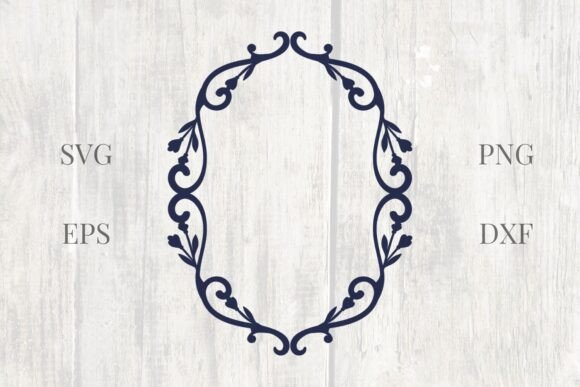
When designers and couples search for the perfect typeface, they’re often looking for more than just letters. They’re seeking a complete visual language. A premium font family designed for such occasions doesn’t stop at a beautiful script or elegant serif. It extends into the realm of decorative motifs—those intricate flourishes, delicate borders, and ornamental dividers that give a design its soul. Think of the subtle leafy vine that weaves between lines of text, the classic damask pattern used as a background watermark, or the minimalist geometric frame that gives a modern invitation its structure. These elements are the visual punctuation that elevates typography from functional to phenomenal.
For the creative professional or small business owner in the stationery space, this is a game-changer. Instead of sourcing separate assets and worrying about style mismatches, having a cohesive toolkit where the script font, serif font, and decorative motifs are designed to work in harmony saves invaluable time and ensures a polished, professional presentation. It’s about building a brand identity for the event itself, ensuring every element speaks the same visual dialect.
Practical Applications for the Savvy Designer
The true value of a versatile decorative motif for wedding invitation design lies in its adaptability. While its primary home might be on luxurious cardstock, its utility extends far beyond the envelope. Understanding these applications allows designers to offer more comprehensive packages and helps entrepreneurs create more cohesive marketing materials.
- Logo & Branding: For a wedding planning business, floral motifs from a font suite can become part of the logo, instantly communicating the brand’s specialty. The same motif can be used on business cards, letterheads, and website headers.
- Packaging Design: A bakery specializing in wedding cakes or a boutique selling bridal accessories can use ornamental borders and patterns from the font set on their packaging, gift boxes, and thank-you notes, creating a luxurious unboxing experience.
- Social Media & Web Graphics: Consistency is key online. The decorative elements can be used to frame Instagram quotes, design Pinterest pins, create elegant Facebook event headers, or style blog post graphics, ensuring a recognizable visual consistency across all platforms.
- Print & Editorial: Beyond invitations, these motifs are perfect for wedding programs, menu cards, table numbers, and seating charts. For publishers and bloggers in the bridal niche, they add a touch of elegance to magazine layouts and editorial spreads.
- Digital Products & Marketing: Create beautiful downloadable templates for Etsy or your own site. Use the motifs to design email newsletter headers, promotional flyers, and even merchandise like tote bags or mugs for a bridal shop.
Choosing the Right Style for the Occasion
Not all weddings, or brands, are created equal. The selection of a decorative motif should be a deliberate choice that aligns with the overall aesthetic. A vintage-themed celebration calls for different details than a sleek, modern minimalist event. This is where understanding font personality becomes a practical skill.
For a classic and romantic vibe, look for motifs featuring soft floral swirls, delicate filigree, and graceful line work. These pair beautifully with a flowing script font and a refined serif font for body text. A rustic or organic theme might incorporate botanical illustrations—think olive branches, eucalyptus sprigs, or simple leaf borders. These work well with handwritten fonts and earthy color palettes. Conversely, a modern and geometric invitation suite might use clean frames, abstract line art, or subtle pattern fills. These motifs complement sans serif fonts and bold, contemporary layouts.
The key is to test pairings. Don’t just look at the motif in isolation. Place it alongside your chosen headline font and body copy. Does it compete for attention or enhance the message? Does it scale well from a large header ornament to a tiny corner accent? A well-designed font family will include motifs at various weights and complexities, giving you this flexibility.
Ensuring Clarity and Professionalism
While decoration is vital, it must never compromise the primary goal of an invitation: clear communication. Readability is paramount. The most beautiful ornamental border is useless if it makes the event date and location hard to decipher. Always prioritize the hierarchy of information. Use the decorative elements to frame and guide the eye, not to obstruct it.
Practical testing is non-negotiable. Print a sample at actual size. View the digital design on both a high-resolution screen and a mobile phone. Check that the motifs don’t create visual noise or muddy the text. This attention to detail is what separates amateur work from professional design assets. It’s also crucial to understand the licensing of your chosen commercial font. Ensure the license covers all your intended uses, whether for client work, print-on-demand merchandise, or digital templates for sale.
Building a Cohesive Creative Toolkit
For the designer, crafter, or entrepreneur, investing in a high-quality font family that includes robust decorative motifs is an investment in efficiency and quality. It’s about having a unified set of tools that speaks to a specific market—whether that’s luxury weddings, bohemian celebrations, or modern events. This toolkit becomes the foundation for building a recognizable style, streamlining your workflow, and ultimately, delivering work that resonates emotionally with your audience. The right decorative motif for wedding invitation design isn’t just an add-on; it’s the thread that weaves together typography, imagery, and emotion into a single, compelling narrative on paper.