Designing Dream Wedding Stationery with AI-Powered Clipart
Planning a wedding involves hundreds of small details, but nothing sets the tone quite like the stationery. From the first save-the-date card guests receive to the thank-you notes sent after the honeymoon, every piece of paper contributes to the narrative of your special day. However, sourcing unique, high-quality graphics can often be a bottleneck for designers, planners, and DIY couples alike. This is where the efficiency of modern artificial intelligence meets the timeless beauty of matrimonial design. By leveraging specific text-to-image commands, you can unlock a library of visuals that are not only stunning but perfectly tailored to your theme.
The Evolution of Wedding Design Assets
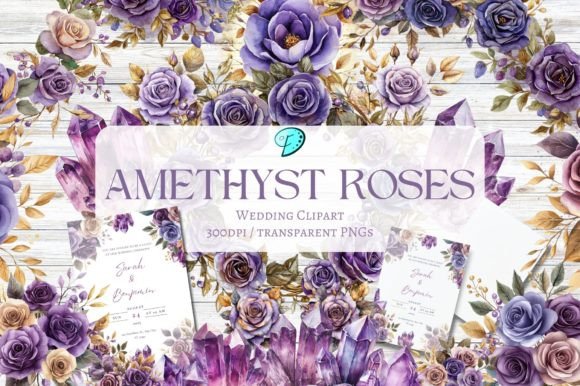
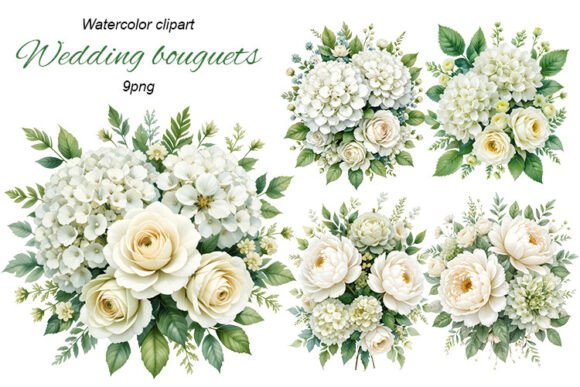
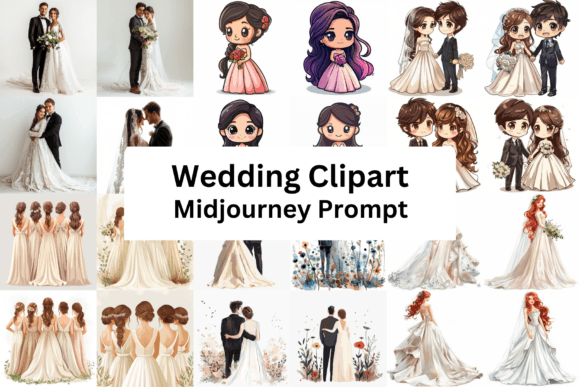
Gone are the days of scouring generic stock photo sites for a simple floral border or a heart illustration that feels overused. The introduction of the Ai Prompt for Wedding Clipart represents a significant shift in how we approach creative assets. Instead of settling for pre-made graphics that might clash with your vision, these prompts allow you to generate bespoke elements. Whether you are looking for delicate watercolor peonies, vintage botanical sketches, or minimalist geometric frames, the AI can produce these designs based on your specific descriptive inputs. This method ensures that the resulting clipart collection feels cohesive and intentional, rather than a random assortment of unrelated images.
For the creative professional, this technology is a game-changer. A graphic designer working on a client’s wedding suite can quickly iterate on concepts. If a bride decides she wants a change from "rustic sunflowers" to "elegant lavender" halfway through the process, the designer doesn't need to start a frantic search for new assets. They can simply adjust the prompt and generate a new set of matching graphics in minutes. This flexibility allows for a more fluid design process, ensuring the final product is exactly what the client envisioned.
Practical Applications Beyond the Invitation
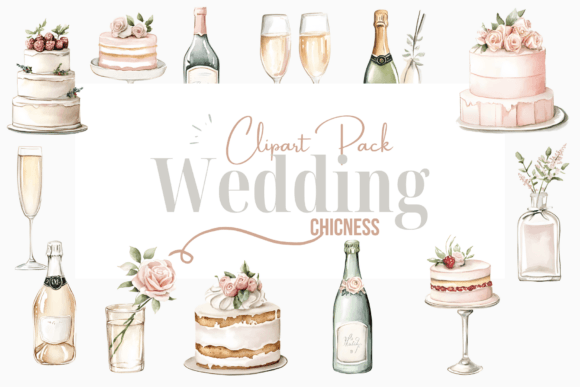
While the primary use case for wedding clipart is undoubtedly the invitation suite, the versatility of these digital assets extends far beyond paper goods. For small business owners in the wedding industry—such as bakeries, florists, or venue managers—consistent branding is essential. Using a curated set of AI-generated graphics can unify your marketing materials. Imagine your bakery’s Instagram feed featuring cupcakes decorated with digital versions of the same floral motifs used on your business cards and website. This visual consistency builds brand recognition and elevates your professional presentation.
Here are several ways to utilize these generated assets effectively:
- Social Media Graphics: Create cohesive story templates, highlight covers, and post backgrounds that align with the wedding's color palette.
- Website and Blog Headers: Add a romantic touch to a wedding planner’s portfolio or a lifestyle blog without slowing down the site with heavy video files.
- Packaging Design: For vendors selling wedding favors, custom labels featuring unique clipart can make a standard product feel like a luxury gift.
- Merchandise: Design tote bags, robes, or party favors for the bridal party using distinctive illustrations that won't be found anywhere else.
- Digital Products: Entrepreneurs can bundle these graphics into digital kits to sell on marketplaces like Etsy, providing value to other DIY brides and designers.
Achieving Visual Harmony and Brand Identity
One of the challenges in wedding design is maintaining a unified aesthetic across disparate elements. You might have a script font for the headers, a serif font for the body text, and various decorative elements. If these components don't "speak" to each other, the design can feel chaotic. The Ai Prompt for Wedding Clipart helps bridge the gap between typography and imagery. By generating graphics that share a common style—be it hand-drawn, vintage, or modern flat design—you create a visual anchor for the entire project.
For instance, if you are using a modern, sans-serif typeface for a minimalist wedding, you wouldn't want to pair it with a heavy, ornate Victorian border. Instead, you could prompt the AI for "simple line art botanical illustrations" or "abstract geometric shapes." The resulting clipart will harmonize with the clean lines of the typography, resulting in a sophisticated and readable layout. This attention to detail is what separates amateurish designs from professional-grade editorial layouts.
Tips for Refining Your Creative Process
When working with AI-generated content, the output is only as good as the input. To get the most out of your wedding clipart collection, consider the following practical advice. First, always think about the end application. A graphic that looks beautiful on a computer screen might lose detail when printed on textured cardstock. When generating your assets, specify high-resolution requirements to ensure crisp edges and clear lines.
Second, pay attention to color theory. While you can often edit colors in post-production software, it is more efficient to generate graphics in the specific palette you need. Include color descriptions in your prompts, such as "muted sage green and dusty rose," to get closer to the final look. Third, don't be afraid to mix and match. You might generate a floral frame from one prompt and a corner flourish from another. As long as the style and line weight are similar, they can work together beautifully to create a dynamic composition.
Readability and Layout Considerations
Even the most exquisite clipart is useless if it obscures the information it is meant to support. When integrating these graphics into invitations or marketing materials, readability must remain the priority. Use decorative elements as accents rather than backgrounds behind critical text, or ensure there is enough contrast between the graphic and the typeface. For example, a semi-transparent floral wreath can frame a monogram effectively, but placing dense text over a busy floral pattern will frustrate the reader.
Furthermore, consider the scale of your graphics in relation to your typography. A delicate script font pairs well with fine, detailed line art, while a bold, modern display font might require heavier, more substantial graphic elements to balance the visual weight. Testing different arrangements—perhaps moving a floral element from the top of the page to the bottom, or adjusting its opacity—can drastically improve the flow of the design. The goal is to create a seamless experience where the eye moves naturally from the image to the text.
Commercial Use and Licensing
For designers and entrepreneurs, the utility of these assets often extends into commercial realms. If you are creating templates for sale or designing stationery for a client, understanding the usage rights is crucial. Generally, AI-generated assets offer broad flexibility, allowing you to incorporate them into products for sale without the restrictive licensing fees associated with traditional stock photography. This makes them an economical choice for startups and established businesses looking to expand their design library.
Ultimately, the ability to generate custom wedding clipart empowers creators to produce work that is deeply personal and visually distinct. It moves us away from a "one-size-fits-all" approach to design and allows for a level of customization that was previously time-prohibitive. Whether you are a bride designing your own save-the-dates or a professional crafting a brand identity for a high-end event planner, these tools provide the building blocks for something truly unforgettable. By combining thoughtful prompts with a keen eye for design, you can transform a simple event into a curated visual experience.